

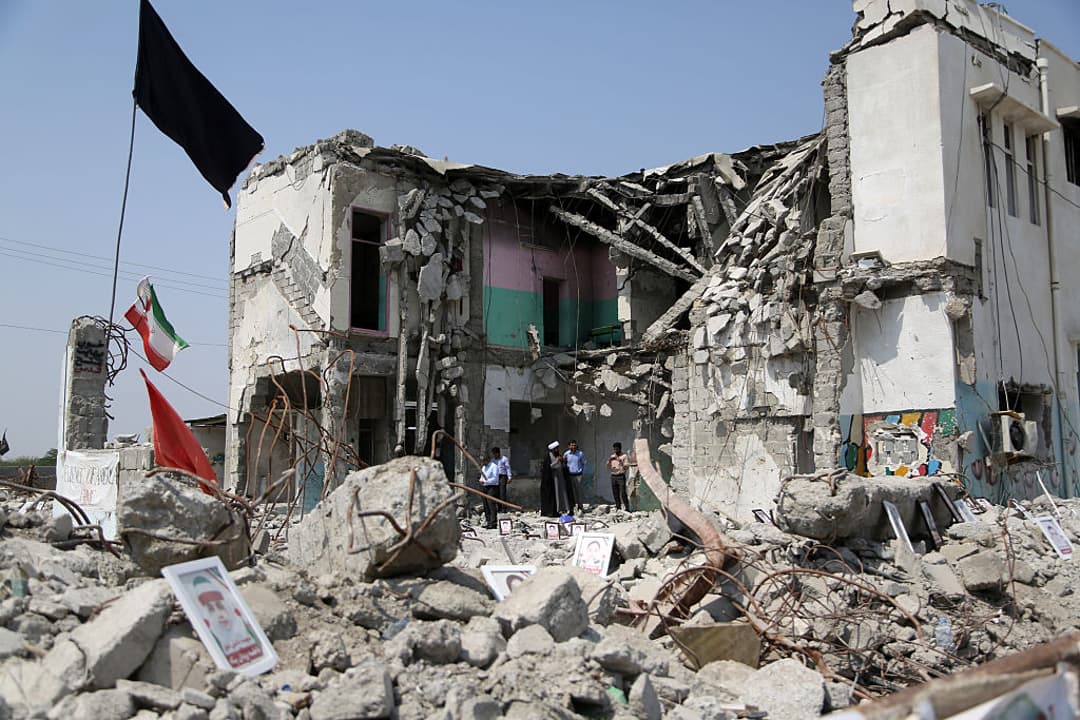
The United Nations’ Independent International Fact-Finding Mission on Iran stated that there were ‘reasonable grounds’ for two US airstrikes in February can be amounted to war crimes.
The finding is backed by months of investigation, and the 18-page document is evidentiary, but it is not binding. The document was presented to the council on Thursday.
One court that can act on criminal allegations is the International Criminal Court (ICC), but the US has historically refused to join the ICC.
The White House responded with a harsh statement on the same day. “The human rights body has accomplished nothing for human rights while spouting unserious nonsense for decades.” Spokeswoman Anna Kelly said.
The airstrikes killed at least 178 civilians. The first strike hit the Sharjareh Tayyebeh elementary school located in Minab on February 28. 157 people died, including around 123 boys and girls below the age of 13.
The second attack was on residential buildings in the city of Lamerd on the same day. Iranian sources reported 22 deaths, including five children.
UN Human Rights Chief Volker Türk addressed the council, “The bombing of Shajareh Tayyebeh Elementary School in Minab evoked a visceral horror.”
The images of bombed-out classrooms and grieving parents showed clearly who pays the highest price for war: civilians with no power in the decisions that led to conflict.
The UN report provides solid ground for action, but the ICC has the power to pursue legal proceedings: it investigates, prosecutes, penalises, and tries the accused.
The US is not a member of the ICC because Washington claims it is not a party to the Rome Statute, the international treaty that established the ICC, and argues that a treaty cannot bind a non-consenting country.
In 2002, Congress passed the American Servicemembers’ Protection Act. It prohibits cooperation with the ICC and grants the President authority to use every means necessary to release a US person detained on an ICC warrant or request.
On June 29, the Office of the Attorney wrote a letter to Judge Tomoko Akane of the ICC, “The Department of Justice is fully committed to defending our Nation’s sovereignty and protecting the rights of US citizens against unlawful international overreach.”
The US is protected from the consequences it should be facing; Washington has invoked war crimes and international legal action against rivals but is privileged to avoid the scales of justice it has to balance.
The UN stating that there are “reasonable grounds to believe” war crimes have occurred does not change anything at all when the accused can refuse to be part of the discussion.
