

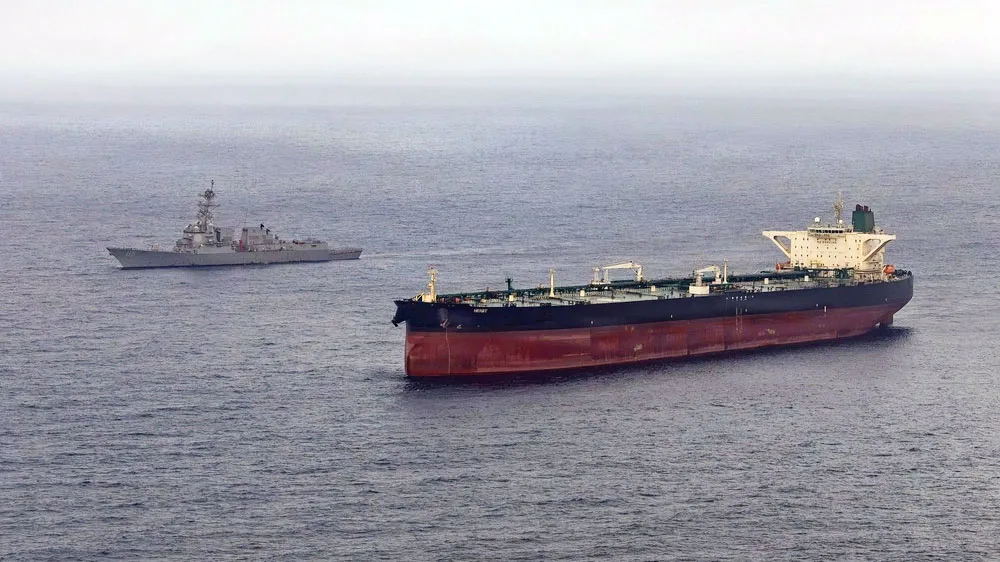
Imagine filling your car with petrol, switching on the air conditioner or paying more because of a conflict thousands of kilometres away. A global significance of the Strait of Hormuz, a narrow maritime passage between Iran and Oman connecting the Persian Gulf to the Indian Ocean.
A narrow stretch of water with Millions of barrels of oil and an economic shock that can reach every corner of the world.
At its narrowest, the strait is approximately 34 kilometres wide. Yet this vital chokepoint carries a substantial share of the world’s oil and liquefied natural gas.
The crisis has now reached a diplomatic deadlock. On September 26, US President Donald Trump rejected Iran’s truce to reopen the strait within seven days.
“I reject their proposal,” Trump told reporters, arguing that Tehran was seeking an agreement because it was “losing so badly”. He added, “I’d like to make a deal, too. But that deal would not be acceptable.”
Tehran’s proposal, delivered through Qatari mediators, called for Washington to lift its naval blockade of Iranian ports, ease sanctions on its oil sales and observe a regional ceasefire.
“If the necessary conditions are met, the strait can be reopened, and normal maritime passage restored within seven days,” Iranian Foreign Minister Abbas Araghchi said.
The choice now rests with the United States. Iran does not accept coercion, threats or intimidation, and Iran will not surrender its sovereign rights under pressure, he added.
Iranian President Masoud Pezeshkian said, “We have no trust in the American side and do not know on what basis an understanding can be reached with it.”
When shipping is disrupted and the oil route closes, the consequences ripple through global markets, causing price shocks.
Reduced supplies push oil prices upwards, raising petrol, diesel and transportation costs.
For energy-importing countries like India, higher import bills can fuel inflation, strain household budgets and slow economic growth. Disruptions to gas shipments can also increase electricity generation costs.
India, China, Japan and South Korea face higher energy costs, while Gulf exporters risk losing revenue and shipping companies confront rising insurance and freight expenses.
The Strait of Hormuz is more than a shipping route; it is a pressure point in the global economy.
Until safe passage is restored, a crisis unfolding in just 34 kilometres of water could continue to shape energy and the cost of living across the world.
