

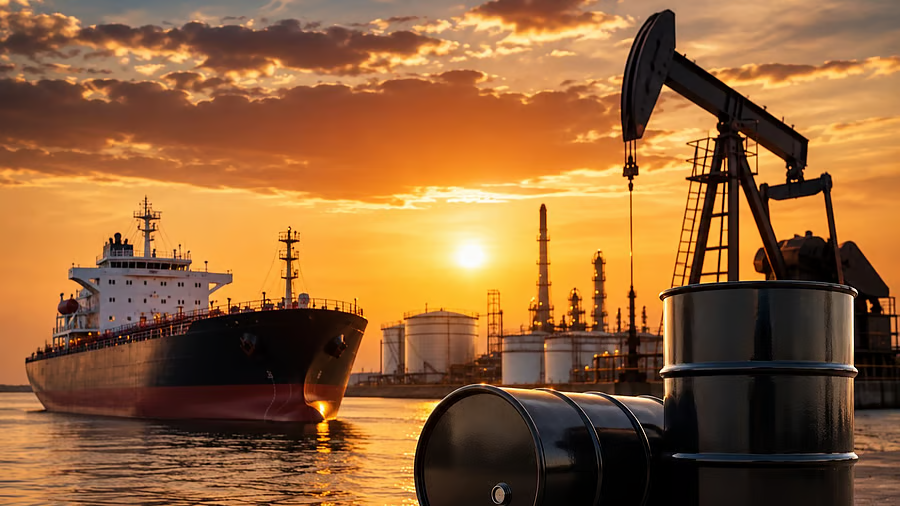
Somewhere in the Persian Gulf, a war most Indians have never followed closely enough to name the players is quietly deciding whether their cooking gas cylinder shows up on time.
According to the Ministry of Petroleum and Natural Gas, India buys more than 88 per cent of the crude oil and 60 per cent of the LPG it uses.
Experts say, before things get worse, India should reduce dependency on a single passage of water, the Strait of Hormuz, through which, New Delhi’s 90 per cent of LPG is being traded.
The Kitchen Feels it First
Nobody sitting down to cook dinner is thinking about geopolitics. They’re thinking about whether the cylinder will last the week. But that’s exactly where this crisis lands hardest, and not evenly either.
Industry reports say restaurants, roadside dhabas, small hotels running on commercial LPG all get squeezed the moment Gulf shipments wobble.
Low household income really absorb the hit. It’s closer to a fixed cost, so a price bump eats straight into whatever’s left for food or school fees.
Some families, when the squeeze gets bad enough, just switch back to whatever’s cheaper and more available, even if that means going backwards on convenience.
You can actually see the supply chain scrambling in real time. According to trade data, between March and August 2026, the US alone supplied 53 per cent of India’s LPG imports, compared to just 7.9 per cent in the six months before.
It’s Not Just About Gas Cylinders
Crude oil runs deeper into the economy than cooking gas ever could. Transport, industry, practically everything churns on it in some form.
When global prices climb, India has to spend more to buy the same barrel count, widening the country’s import bill, which puts pressure on the current account, basically the ledger of what New Delhi owes the world versus what it earns back.
Let us understand a loop: paying for oil usually means buying dollars, and more dollar demand tends to weaken the rupee. A weaker rupee makes the next barrel of oil even pricier since crude is priced in dollars.
Diesel prices climbing means trucks carrying vegetables, groceries, manufactured goods, all of it costs more to move.
Officials say a spike in global crude doesn’t instantly show up at the pump in India. Government policy, taxes, and how oil marketing companies choose to price things all sit between global crude and what you actually pay.
How This Turn into Inflation
Once transport and production costs rise, prices tend to drift upward across the board, and food usually feels it first.
Fertiliser, irrigation, the trucks hauling crops to market, energy, it touches all of it somewhere along the chain.
So a household doesn’t just get hit once, but commuting, cylinder and groceries cost more at the same time.
According to analysts tracking the crisis, India has to keep its relationships with energy producers intact while still protecting its own interests, even as global pressures direct from the US.
A war fought thousands of kilometres away can travel through oil markets, shipping lanes and supply chains, and still end up at an ordinary Indian dinner table, this is what makes a narrow strip of water a genuine national concern.
