

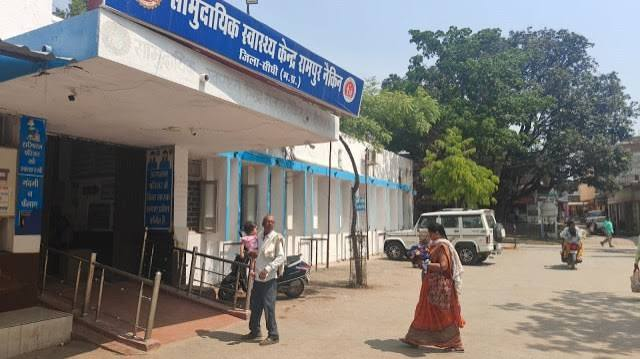
Every morning, before the sun rises, the outpatient queue outside a government hospital in any major Indian city has already wrapped around the block.
Inside, a single doctor may see well over a hundred patients before lunch. India does have medical facilities thousands of them. The trouble isn’t their absence. It’s that 1.4 billion people are trying to fit through the same limited set of doors.
The major problem is the uneven distribution of healthcare facilities. Urban areas possess well-equipped hospitals, specialists, and advanced diagnostic equipment.
According to the 2026 Parliamentary Standing Committee report summary, rural areas lack adequate healthcare facilities, proper medicine, or diagnostic equipment.
Consequently, patients residing in such areas need to travel long distances to access specialised care.
As per government reports, lack of healthcare personnel is another problem.
There have been cases of government hospitals suffering from a shortage of medical personnel, including doctors, nurses, technologists, and others.
Doctors can never provide healthcare without the help of other personnel like nurses, pharmacists, laboratory technologists, paramedics, among others.
In Madhya Pradesh, a CAG audit found doctor shortages in all 10 selected districts it examined. The shortage ranged from 11.1 per cent to 60 per cent, depending on the district.
Shortages of paramedical and supporting staff at the selected public healthcare centres (PHCs) ranged from 23.6 per cent to 72.5 per cent.
Jabalpur district marked a high shortage of doctors of 60 per cent, followed by Mandla (46.3), Rewa (46), and Ujjain (41.2) among the audited districts.
The CAG report says that these staffing shortages meant rural populations were being deprived of required basic healthcare services at PHCs.
Report No. 6 of 2024 states that public health infrastructure and health-service management in MP for the year ending March 2022 and was tabled in December 2024.
A report by Medical Dialogues says that statewide data reveals nearly 75 per cent of specialist doctor positions (3,948 out of 5,443 sanctioned posts) and 41 per cent of general medical officer positions (2,689 out of 6,513 posts) are vacant.
In India, many deaths occur due to healthcare shortages.
Although there is no official annual figure, research suggests that a substantial number of deaths in India may be preventable through better access to timely and quality healthcare.
Millions of deaths have been estimated to be associated with non-use or poor quality of healthcare.
In order to increase healthcare delivery, India requires good quality primary healthcare centres, infrastructure development, skilled doctors and nurses, availability of affordable medicines, and good emergency facilities.
Both government and private sector players in the healthcare industry need to join hands while keeping the cost factor in mind.
